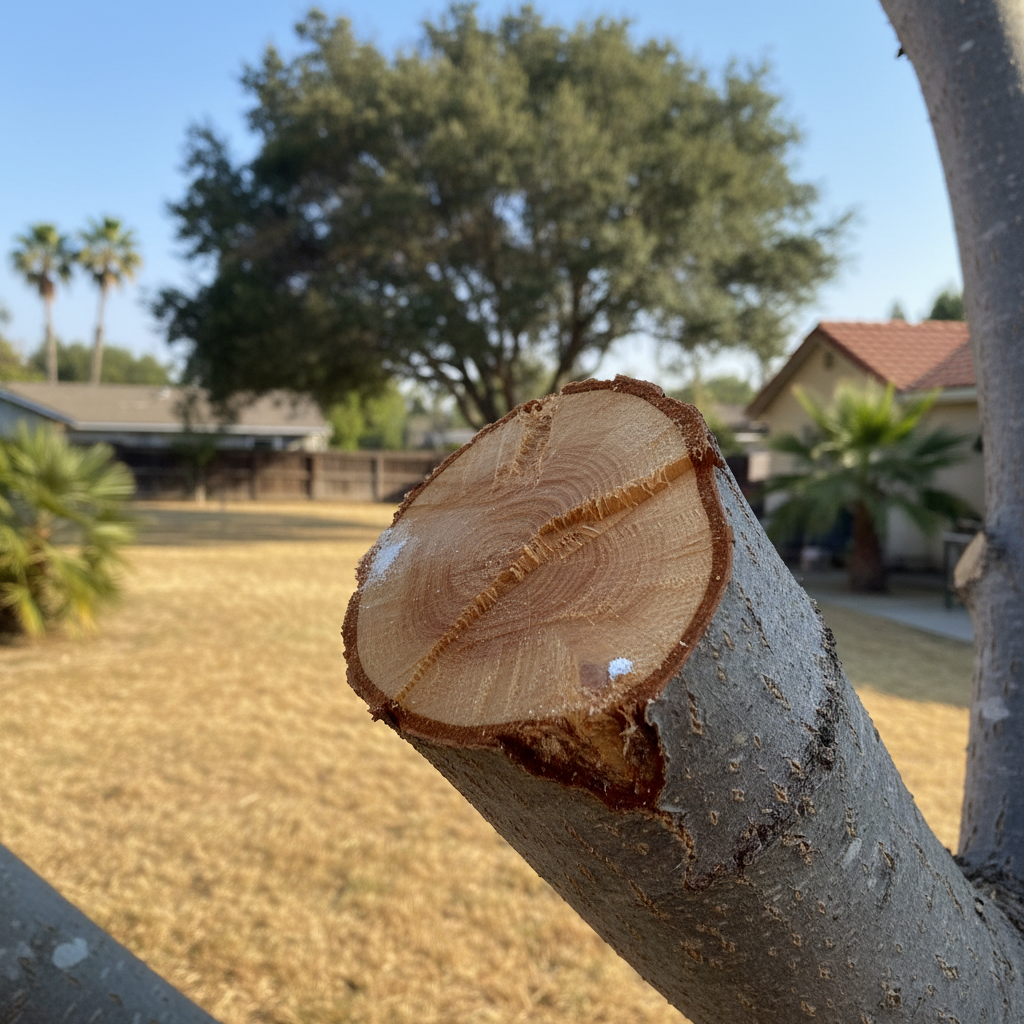
Alright, let us talk about Pruning Trees here in Lynwood. We see many homeowners who want to keep their yards looking good. This often means getting those tree branches in shape. But before you just start cutting branches, there are a few things you should know. Pruning Trees is not just about making a tree look tidy. It is about keeping it healthy as well as safe as well as growing strong for many years to come.
Before You Make a Single Cut
First, you need to figure out why you are doing the Pruning Trees project in Lynwood. Is it to remove dead branches? Is it to shape the tree? Or is something getting too close to your house or power lines? Knowing your goal helps you decide what to cut and what not to cut. You do not want to cut too much. Cutting too much can really stress out a tree.
Timing is Everything: For most trees, the best time for any major structural Pruning Trees is during their dormant season. This is usually late fall through early spring. The tree is not actively growing then. It is less stressed by the cuts. You can also see its structure clearly without all the leaves in the way. In addition, many pests and diseases are dormant too. This reduces the risk of infection. However, if you have dead, diseased, or hazardous branches, you should remove them any time of year. Safety is always important.
What You Can Probably Handle Yourself for Pruning Trees in Lynwood:
- Small Stuff: This means branches that are an inch or less in diameter. These are usually easy to reach. They do not require heavy-duty equipment.
- Deadwood: If a branch is clearly dead, you can usually snip it off. Dead branches have no leaves, are brittle, and have discolored bark. Just make sure it is not too big or too high up.
- Suckers and Water Sprouts: These are fast-growing shoots that come from the base of the tree or along the main branches. They are usually weak. They just take energy from the tree. It is good to remove them.
- Low-Hanging Branches: If a small branch is blocking a walkway or rubbing against something, you can remove it. This is if you can reach it safely from the ground.
Tools You Will Need for Pruning Trees: For these smaller Pruning Trees jobs, you will want good, sharp tools. Hand pruners are good. Bypass style pruners are best for live wood. Loppers are for branches up to about 1.5-2 inches thick. A hand saw is for anything larger than that, up to maybe 4 inches. Keep your tools clean as well as sharp. Dull tools can tear the bark. This can hurt the tree.
During the Pruning Trees Project
You have your plan and your tools for your Lynwood Pruning Trees project. Now, let us talk about how to make the cuts. This is very important for the tree's health.
Make Clean Cuts: Always cut just outside the branch collar. The branch collar is the slightly swollen area where the branch meets the trunk or a larger limb. Do not cut flush with the trunk. Do not leave a stub. The branch collar has special cells. These cells help the tree heal over the wound. Cutting it wrong can invite disease as well as decay.
For bigger branches, use the three-cut method. This method prevents the bark from tearing. Make an undercut first, about 4-6 inches from the trunk. Then make a second cut further out to remove the bulk of the branch. Finally, make your clean cut outside the branch collar. This is how we do Pruning Trees in Lynwood.
Safety First, Always: We cannot stress this enough during any Pruning Trees project. Wear safety glasses as well as gloves as well as sturdy shoes. If you are using a chainsaw, add a hard hat as well as hearing protection. Never cut above your head if you can avoid it. Never, ever prune near power lines. Here in Lynwood, some of our older neighborhoods have mature trees right up against power lines. That is a job for a professional, no question.
When to Call Lynwood Tree Service for Your Pruning Trees Project:
- Big Branches: If a branch is thicker than your arm, it is time for a professional. This is also true if it is too high to reach safely from the ground with a pole saw.
- Near Power Lines or Structures: Any branches close to your house, garage, or electrical lines are too risky for you to do yourself. Professionals have the right equipment as well as training. They handle these situations safely.
- Diseased or Damaged Beyond Your Scope: If you think a tree has a serious disease, or if it has significant storm damage, an arborist can help. They can properly diagnose as well as treat it without further harming the tree.
- Major Shaping or Structural Pruning: If you want to significantly change the shape of a mature tree, you need a professional. This is also true if it has an unbalanced canopy. You need someone who understands tree biology as well as how to make cuts that promote long-term health.
- Using Ladders for Anything More Than a Quick Snip: If you need to climb a ladder to make cuts, especially with a saw, the risk of injury goes up a lot. Leave the climbing to the professionals. They have their harnesses as well as specialized gear for Pruning Trees.
After the Pruning Trees Project
You have made your cuts. The branches are down. What happens next?
Clean Up: Get all those cut branches as well as debris out of your yard. Do not leave them lying around. They can attract pests or harbor diseases. This is an important part of our Pruning Trees service in Lynwood.
Do Not Use Wound Dressings: This might sound like it does not make sense. But for most trees, those tar-like wound dressings actually do more harm than good. Trees heal themselves naturally. They do this by compartmentalizing the wound. Sealing it in can trap moisture. This can encourage decay.
Watering and Monitoring: Pruning Trees can be a bit of a shock to a tree. This is especially true if you removed a fair amount. Make sure your tree gets enough water. This is important during our dry Lynwood summers. Deep watering helps it recover. Keep an eye on the tree for the next few weeks as well as months. Look for signs of stress. This includes wilting leaves or new shoots (water sprouts) popping up too much.
Proper Pruning Trees is an investment in your property as well as the health of your trees. Do what you can safely. Do not hesitate to call in the experts at Lynwood Tree Service when the job gets too big or too risky. We are here to help keep your trees thriving in Lynwood.