You've got a tree in your yard, and for whatever reason, it needs to go. Maybe it's dead, diseased, or just too close to your house. Whatever the reason, you're probably wondering, "Can I just do this myself?" It's a fair question, and the answer isn't always a simple yes or no. As someone who's been doing this work around Lynwood for years, I've seen it all, and I want to give you the straight scoop.
Before You Start: Assess the Situation
First things first, take a good, hard look at the tree. This isn't just about how big it is, though that's a huge factor. Think about:
- Size and Height: A small, young tree, maybe 10-15 feet tall with a thin trunk? You might be able to handle that. Anything taller, especially if it's got a thick trunk, is a different story.
- Location: Is it right next to your house? Over your garage? Near power lines? Close to your neighbor's fence? If it's anywhere near a structure or utility, that's a major red flag for DIY.
- Condition: Is the tree healthy and solid, or is it rotting, hollow, or leaning precariously? A compromised tree can be unpredictable, and that's when things get dangerous fast.
- Type of Tree: Some trees are denser and heavier than others. A palm tree is different from an oak.
Honestly, if the tree is over 20 feet tall, or if it's within falling distance of anything you don't want to smash (like your house, your car, or your kid's swing set), you should probably stop right there and consider calling a pro. The cost of repairing damage from a botched DIY job almost always outweighs the cost of professional removal.
What You CAN Do Yourself (Safely)
Alright, let's say you've got a small, young, healthy tree, maybe a sapling or a shrub that's gotten too big, and it's in an open area with nothing around it. Here's what you'll need and how you can approach it:
- Tools: A good quality chainsaw (sharp!), safety glasses, hearing protection, work gloves, sturdy boots, and a hard hat. Don't skimp on safety gear.
- Planning the Fall: Look at the tree's natural lean. Where does it want to fall? Clear that area completely. Make sure no one else is around.
- Notching: You'll make a directional cut (the notch) on the side you want the tree to fall. This is usually a 45-degree angle cut followed by a horizontal cut to remove a wedge.
- Felling Cut: On the opposite side of the notch, slightly above the horizontal cut, you'll make your felling cut. Don't cut all the way through! Leave a "hinge" of wood. This hinge guides the tree's fall.
- Retreat: As the tree starts to fall, quickly move away along a predetermined escape path (usually 45 degrees away from the direction of fall).
After it's down, you can limb it (remove branches) and cut the trunk into manageable pieces for disposal. Remember, even small trees can be heavy and awkward. Take your time, and if anything feels off, just stop.
When to Call a Professional Tree Service
This is where Lynwood Tree Service comes in. If your tree fits any of these descriptions, please, for your own safety and the safety of your property, call us:
- Big Trees: Anything over 20 feet, especially mature trees with wide canopies. These require specialized equipment, rigging, and experienced climbers.
- Trees Near Structures/Utilities: If it's close to your house, garage, power lines, or even your neighbor's property, the risk is too high. We have the gear to bring down sections safely, often using ropes and lowering equipment.
- Diseased or Damaged Trees: A tree that's rotting, has a split trunk, or is already leaning significantly is incredibly unpredictable. It could fall in any direction, or parts of it could break off unexpectedly.
- Storm-Damaged Trees: After a big storm, like the ones we sometimes get here in Southern California, trees can be partially uprooted or have hanging limbs. These are extremely dangerous to deal with.
- Lack of Experience/Equipment: If you don't have the right tools, or you've never done this before, don't make your first attempt on a tricky tree.
We've got the training, the insurance, and the right equipment for the job. We know how to assess the fall, use proper rigging, and handle the cleanup. We'll also make sure to check for any local permits you might need from the city of Lynwood, which can be a headache if you try to figure it out yourself.
After the Tree is Down
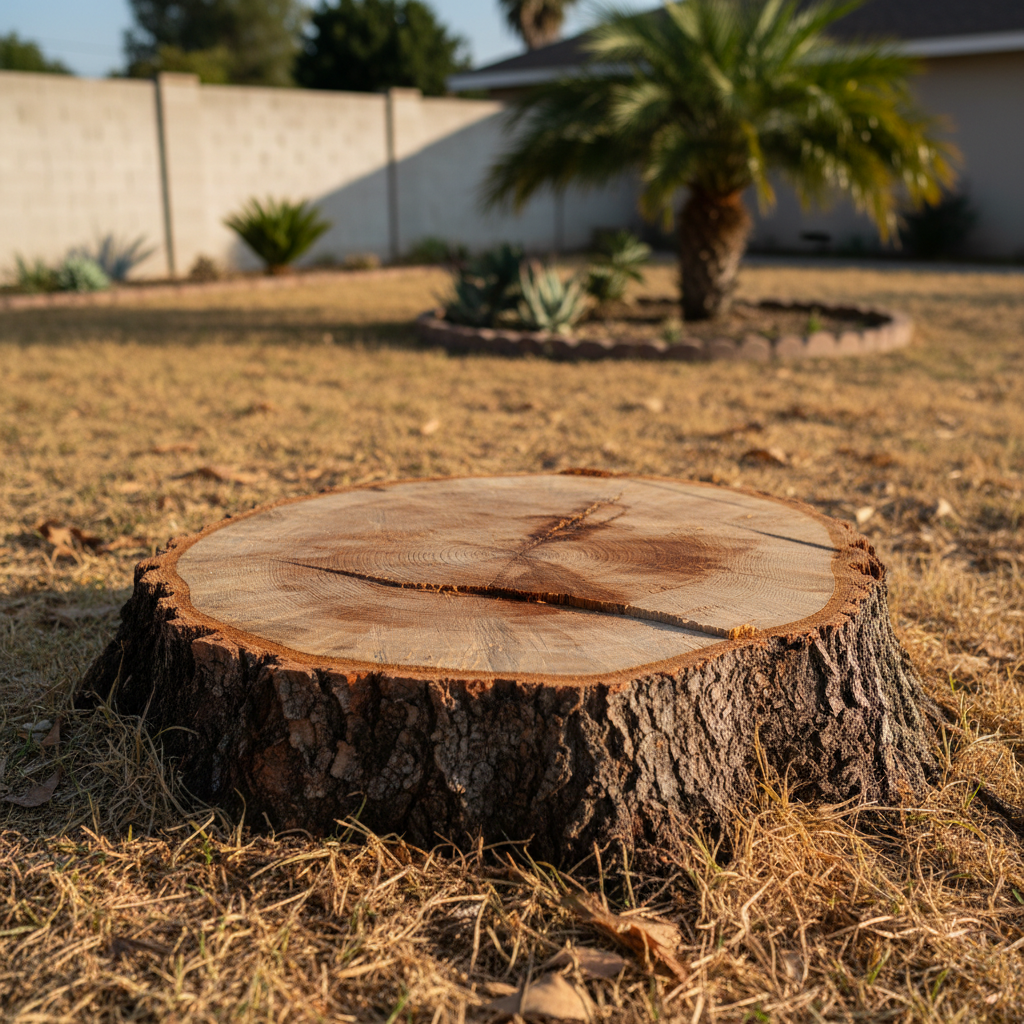
Whether you did it yourself or hired us, you'll have a stump and a pile of wood. For the wood, you can cut it up for firewood (if it's suitable), chip it, or arrange for green waste disposal. For the stump, you have a few options:
- Leave it: It'll decompose over time, but it can take years and might attract pests.
- Grind it: This is what most people do. A stump grinder chews the stump down below ground level, allowing you to plant grass or cover it with soil. We offer stump grinding as part of our service.
- Remove it: This involves digging out the entire root ball, which is a much bigger, messier job than grinding, usually reserved for construction projects.
Look, I get it. You want to save a buck, and sometimes, you can. But when it comes to tree removal, especially anything beyond a small sapling in an open field, the risks are just too high to mess around. Your safety, your property, and even your neighbor's property are on the line. Don't hesitate to call Lynwood Tree Service for an assessment and a quote. We're here to help you make the right, safe decision for your yard.