You've got trees, and sooner or later, you'll have questions about trimming 'em. It's just part of being a homeowner, especially here in Lynwood where our trees, like those big old sycamores in the older parts of town, can really grow. I get a lot of the same questions asked over and over, so I figured I'd put together some straight answers for you. No fluff, just what you need to know.
How much does tree trimming actually cost?
This is always the first thing people ask, and it's a fair question. The truth is, there's no one-size-fits-all answer because it depends on a bunch of factors. Is it a small ornamental tree in your front yard, or a massive oak towering over your house? The size of the tree is a huge factor – taller, wider trees mean more work, more specialized equipment, and more risk. Then there's the type of tree. Some trees are just tougher to trim than others, or they have a growth habit that makes the job more complex. Accessibility is another big one. If we can easily get our equipment to the tree, it's simpler. If it's in a tight spot, over a fence, or near power lines, that adds to the complexity and the cost.
What kind of trimming are you looking for? A light aesthetic trim is different from removing deadwood, or a heavy structural prune to correct growth. The condition of the tree matters too. A tree that's been neglected for years and needs a lot of dead or diseased branches removed will take more time and effort. Lastly, where you are in Lynwood can even play a small role. Permits might be needed for certain large trees, though that's less common for routine trimming. Generally, you're looking at a range, but for a typical residential tree, it could be anywhere from a few hundred dollars to over a thousand for a really big, tricky job. Always get an on-site estimate. We can't give you a real number over the phone without seeing it.
Do I really need to trim my trees? Can't I just leave them alone?
You absolutely need to trim your trees. Leaving them alone might seem like less hassle, but it's a recipe for problems down the road. For one, untrimmed trees can become a safety hazard. Dead or weak branches can fall during a windstorm – and we get some decent Santa Ana winds around here – potentially damaging your roof, car, or even injuring someone. Overgrown branches can also rub against your house, causing damage to siding or gutters. They can block sunlight, making your lawn patchy or killing off plants underneath. Plus, proper trimming helps maintain the tree's health. It removes diseased or insect-infested parts, improves air circulation, and encourages strong, healthy growth. Think of it like getting a haircut; it keeps things tidy and healthy.
What happens to all the branches and wood after you're done?
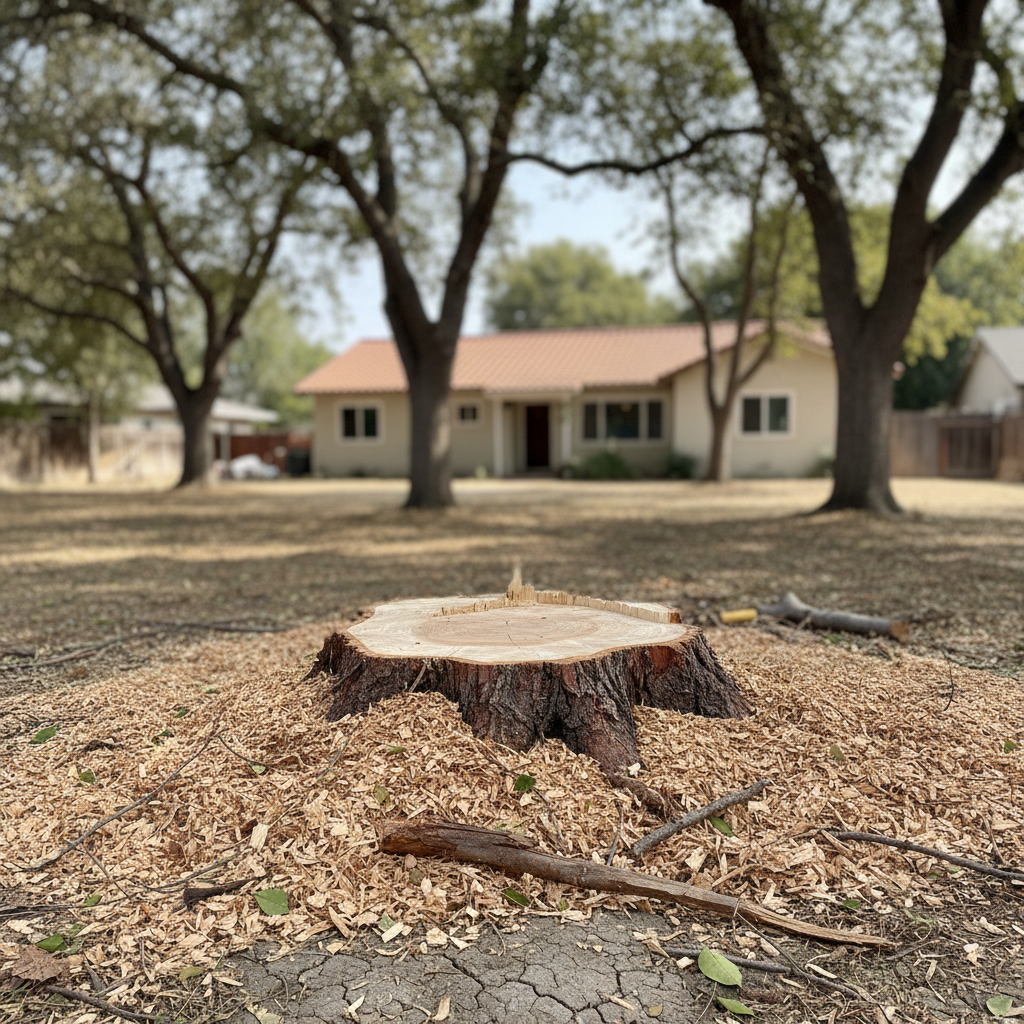
When we're done trimming, you're not left with a huge mess in your yard. As part of our service at Lynwood Tree Service, we always include debris removal. That means we chip up the smaller branches and haul away the larger logs. We clean up the area thoroughly, so it looks like we were never even there, except for your nicely trimmed tree. Sometimes, if a homeowner has a use for wood chips for their garden beds or wants to keep some firewood, we can discuss that beforehand. But generally, it all gets taken away. You don't have to worry about renting a chipper or making endless trips to the dump.
How often should I have my trees trimmed?
For most mature trees, a good rule of thumb is every 3-5 years. Younger trees might need more frequent attention, say every 1-3 years, to help them develop a strong structure and correct any growth issues early on. Some fast-growing species might benefit from more regular trims. Fruit trees, for example, often need annual pruning to encourage better fruit production. It also depends on the tree's health and location. If a tree is showing signs of disease, has a lot of dead branches, or is growing too close to your house or power lines, it might need attention sooner. It's not a set-it-and-forget-it kind of thing. A quick visual check a couple of times a year can tell you a lot.
Can I trim the trees myself?
Look, for small shrubs or very young trees that you can reach safely from the ground with hand pruners, sure, you can probably handle it. But for anything larger, anything that requires a ladder, a chainsaw, or any kind of climbing, I strongly advise against it. Tree trimming is dangerous work. We're talking about heavy branches, sharp tools, heights, and sometimes working near power lines. One slip, one wrong cut, and you're looking at a serious injury or worse. Plus, improper trimming can actually harm your tree, leading to disease, weakened structure, or an ugly, unbalanced look. We've got the training, the right equipment, and the insurance to do it safely and correctly. It's one of those jobs where hiring a pro isn't just convenient, it's smart.
What's the difference between trimming, pruning, and cutting?
These terms often get used interchangeably, but there are subtle differences. 'Trimming' is usually the general term for removing parts of a tree – branches, leaves, deadwood – to improve its shape, health, or appearance. 'Pruning' is a more specific type of trimming that focuses on the health and structural integrity of the tree. It's done with a specific goal in mind, like removing diseased branches, encouraging fruit production, or training a young tree's growth. 'Cutting' is the broadest term; it just means severing something. You can 'cut down' a tree (removal), or 'cut off' a branch. So, while all pruning is trimming, and all trimming involves cutting, not all cutting is trimming or pruning. We mostly talk about 'trimming' because that's what most homeowners understand as the general maintenance of their trees.