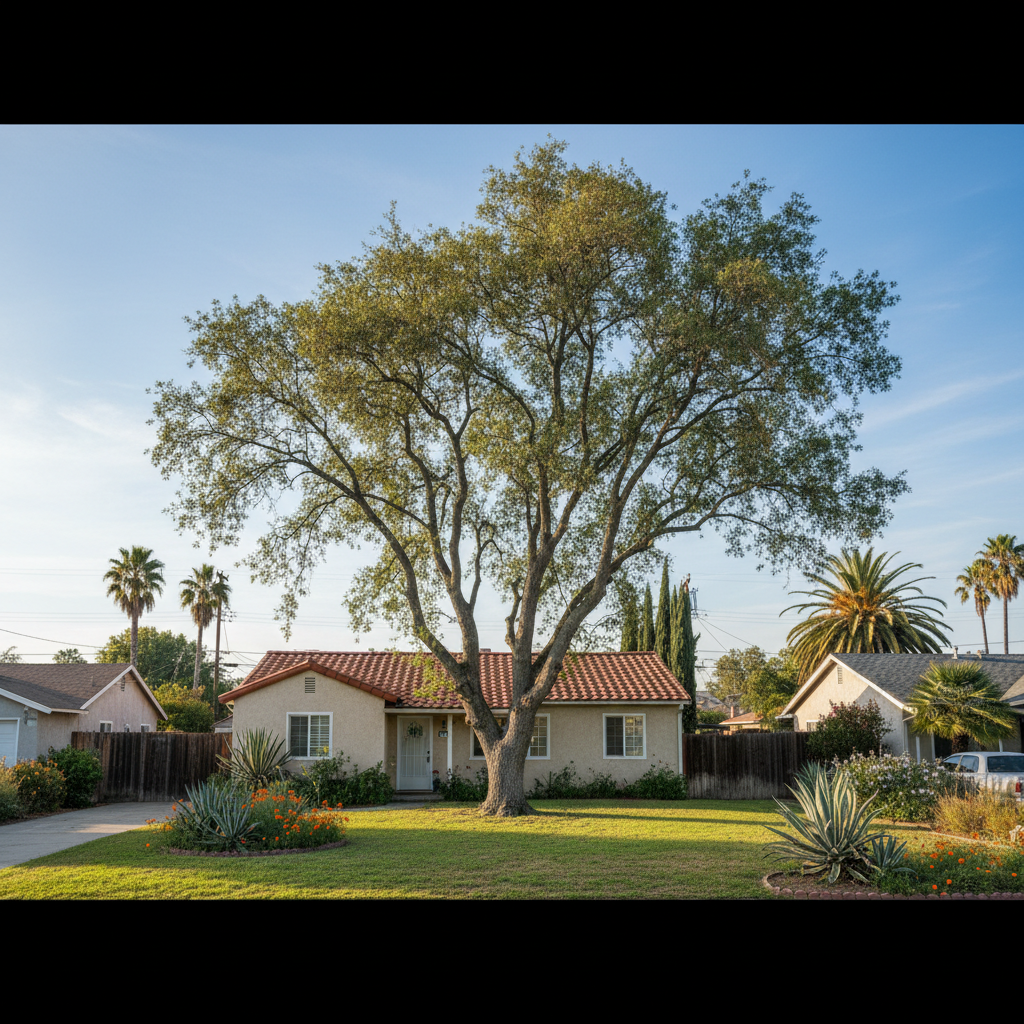
When's the best time to trim your trees around Lynwood? It's a question I get all the time, and it's a good one. You can't just hack away at a tree whenever you feel like it and expect it to thrive. Our local climate, with its hot, dry summers and mild, wet winters, really dictates when it's smart to get out the saws and when you should hold off.
Understanding Lynwood's Climate for Tree Care
Here in Lynwood, we don't get the harsh, freezing winters that folks in other parts of the country do. That's a blessing for a lot of reasons, but it also means our trees operate on a slightly different schedule. Most of our trees, especially the deciduous ones that lose their leaves, go dormant in the cooler months. This dormancy period is your prime window for major trimming.
Think about it: when a tree is dormant, it's not actively growing. It's like it's taking a long nap. Trimming during this time causes less stress to the tree because it's not trying to heal big wounds while also pushing out new leaves or fruit. Plus, without all the leaves, it's easier for us to see the tree's structure and identify branches that need to go. For many common trees in our area, like sycamores, oaks, and fruit trees, late fall through early spring is ideal, before new buds start to swell.
When to Schedule Your Tree Trimming
So, what does that mean for your calendar?
- Late Fall to Early Spring (November - March): This is generally the best time for dormant pruning. It's perfect for structural pruning, removing dead or diseased branches, and shaping the tree. The cooler weather is also easier on the crew doing the work, and it's less likely to spread diseases or attract pests that are more active in warmer months.
- Summer (June - August): You want to be careful here. Summer pruning can be done for very specific reasons, like removing suckers or water sprouts, or lightly shaping a tree that's getting too dense. But heavy pruning in summer can stress a tree, especially with our intense Lynwood heat. It can also stunt growth or expose the tree to sunburn if too much canopy is removed. We're talking about temperatures that can easily hit the high 90s, sometimes over 100 degrees, especially in neighborhoods like the one around Plaza Mexico. That kind of heat is tough on a freshly pruned tree.
- Spring (April - May) & Early Fall (September - October): These are usually transition periods. You can do some light corrective pruning if absolutely necessary, but generally, it's better to wait for full dormancy or after the tree has fully leafed out and established itself.
Weather Conditions That Affect the Work
Beyond the season, the day-to-day weather matters a lot. We're not going to be up in a tree during a heavy rainstorm, for obvious safety reasons. Wet conditions can also make climbing equipment slippery and increase the risk of fungal infections entering fresh cuts. High winds are another no-go. It's dangerous for the crew and can make it impossible to control falling branches safely.
Extremely hot days, even if it's the right season for pruning, can also slow things down or require us to adjust our schedule to work during cooler parts of the day. We always prioritize safety and the health of your trees, so sometimes that means rescheduling if the weather isn't cooperating.
Protecting Your Tree Investment Year-Round
Trimming is just one piece of the puzzle. To really protect your investment in your trees, think about the whole year:
- Watering: Even mature trees need water, especially during our long dry spells. Deep, infrequent watering is better than frequent, shallow watering.
- Mulching: A good layer of mulch around the base of your trees helps retain moisture, regulate soil temperature, and suppress weeds. Just keep it a few inches away from the trunk.
- Regular Check-ups: Keep an eye on your trees. Look for dead branches, unusual growth, discolored leaves, or signs of pests. Catching problems early can save your tree.
- Professional Advice: If you're unsure, call in the pros. We've seen it all, from pest infestations to structural issues. Lynwood Tree Service is always here to give you an honest assessment and a plan to keep your trees healthy and beautiful for years to come. Don't wait until a branch falls on your roof to get it checked out!