Do I need a permit to remove a tree in Lynwood?
This is probably the first thing folks ask, and it's a good question because the answer isn't always a simple yes or no. Generally, if you're talking about a tree on your private property that isn't considered a 'protected tree,' you probably don't need a permit from the City of Lynwood. What's a protected tree? Well, it's usually defined by its size – often a trunk diameter of 12 inches or more measured at 4.5 feet above the ground – or by its species. Some cities have specific lists of trees they protect, like certain oak varieties or native species. The best way to know for sure is to call the Lynwood Planning Department. Don't just assume; a quick call can save you a big headache and potential fines down the road. We always recommend checking, and if you hire us, we can help you figure out the permit situation.
How much does tree removal cost?
Alright, let's talk money. This is another big one, and honestly, there's no flat rate. The cost of removing a tree varies a lot depending on several factors. First, the size of the tree is huge – height, trunk diameter, and canopy spread all play a role. A small, young tree is a lot easier and quicker to remove than a massive, mature sycamore that's been growing for decades. Second, its location matters. Is it out in the open backyard with easy access for our equipment, or is it wedged between your house, a fence, and power lines? Trees in tight spots or over structures require more specialized equipment, more time, and more crew members, which drives up the cost because of the increased risk and complexity. Third, the condition of the tree. A dead or diseased tree might be brittle and dangerous to climb, making it harder to remove safely. Lastly, what do you want done with the debris? Do you want us to haul away all the wood and chips, or are you happy to keep some for firewood or mulch? Stump grinding is usually an extra service too. We always give a free, no-obligation estimate after seeing the tree in person, so you know exactly what you're getting into.
What's involved in stump grinding, and do I really need it?
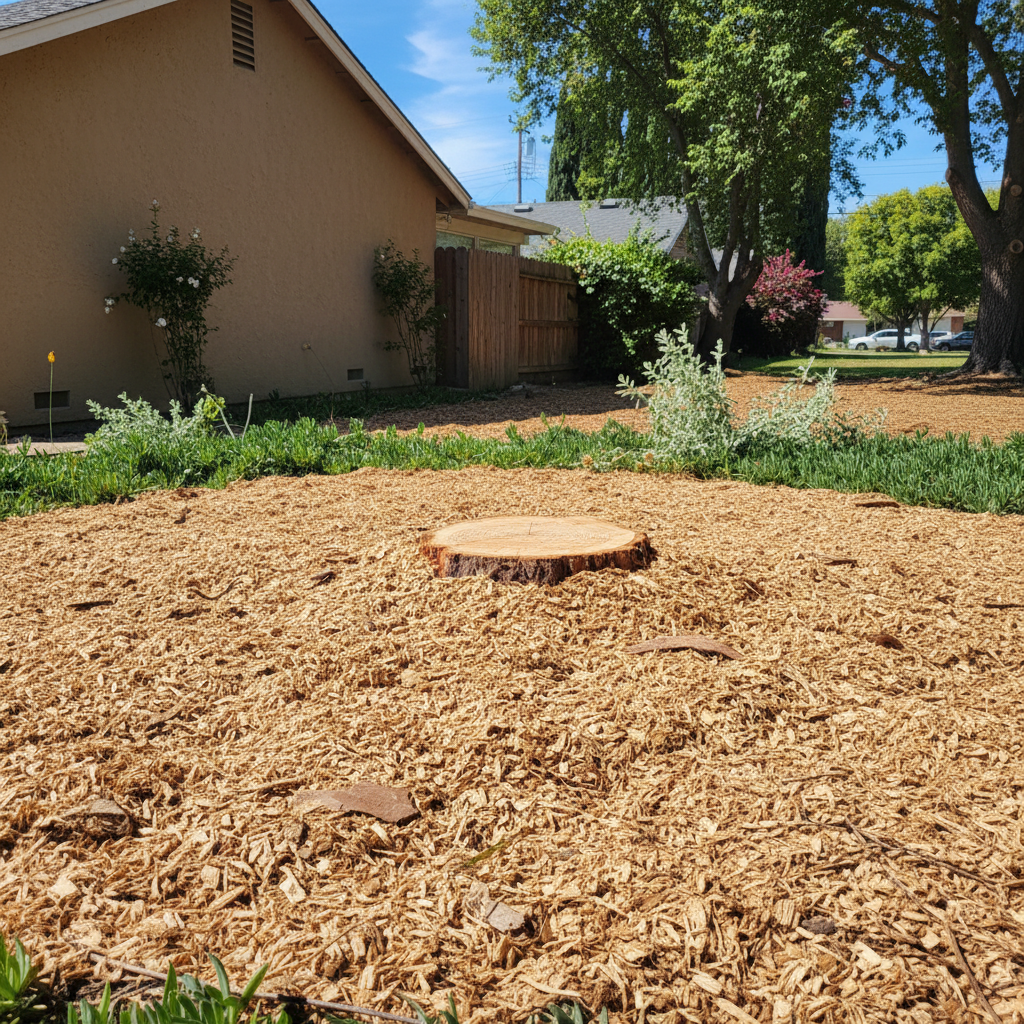
Stump grinding is exactly what it sounds like: we use a specialized machine with a rotating cutting head to chew the tree stump down into wood chips, usually 6 to 18 inches below ground level. This gets rid of the visible part of the stump and allows you to plant grass, shrubs, or even another tree in that spot. Do you really need it? Well, it depends on your plans. If you just want to get rid of the tripping hazard and reclaim the space, then absolutely, it's worth it. Leaving a stump can be an eyesore, a home for pests like termites or carpenter ants, and it can even continue to sprout new growth, which is annoying. If you're okay with a stump slowly decaying over many years and you don't mind working around it, then you can skip it. But most homeowners in neighborhoods like those near the Lynwood Civic Center, where space is often at a premium, prefer to have the stump gone so they can make the most of their yard.
Can I remove a tree myself?
Look, I get it. You're handy, you've got tools, and you want to save a buck. But tree removal, especially for anything beyond a small sapling, is incredibly dangerous work. I've seen too many DIY attempts go wrong, resulting in property damage, serious injury, or worse. We're talking about heavy loads, unpredictable falls, sharp tools, and often working at heights near power lines. Professional tree removers like us at Lynwood Tree Service have specialized training, the right safety gear, heavy-duty equipment, and liability insurance. That insurance is key – if something goes wrong and your property is damaged or someone gets hurt, you're covered. If you do it yourself and mess up, you're on the hook for everything. For your safety and your property's protection, I strongly advise against DIY tree removal for anything but the smallest, most manageable trees.
What time of year is best for tree removal?
Unlike pruning, which often has optimal seasons, tree removal can generally happen any time of year. There isn't a 'best' season in the same way. However, there are some practical considerations. During the dormant season (winter), trees have no leaves, which can make the job a bit cleaner and sometimes easier to access branches. Plus, the ground is often firmer, which is better for heavy equipment. In the spring and summer, trees are in full leaf, meaning more debris to clean up. But honestly, here in Lynwood, with our mild climate, we can work year-round. The most important thing is to remove a hazardous tree as soon as you identify the danger, regardless of the season. Don't wait if a tree is threatening your home or family.
What happens to the wood after the tree is removed?
When we remove a tree, we typically cut the main trunk and larger branches into manageable sections. What happens next depends on what you've arranged with us. Most of the time, our clients want us to haul away all the wood, branches, and chips. We'll load it onto our trucks and take it for disposal or recycling. Some of the wood might be processed into mulch, and larger pieces might go to sawmills if they're suitable. Sometimes, homeowners want to keep some of the wood for firewood, especially if it's a good burning species like oak. We can cut it into fireplace-sized logs for you. Other times, folks want the wood chips for their garden beds. Just let us know your preference when we're giving you the estimate, and we'll factor it into the plan.