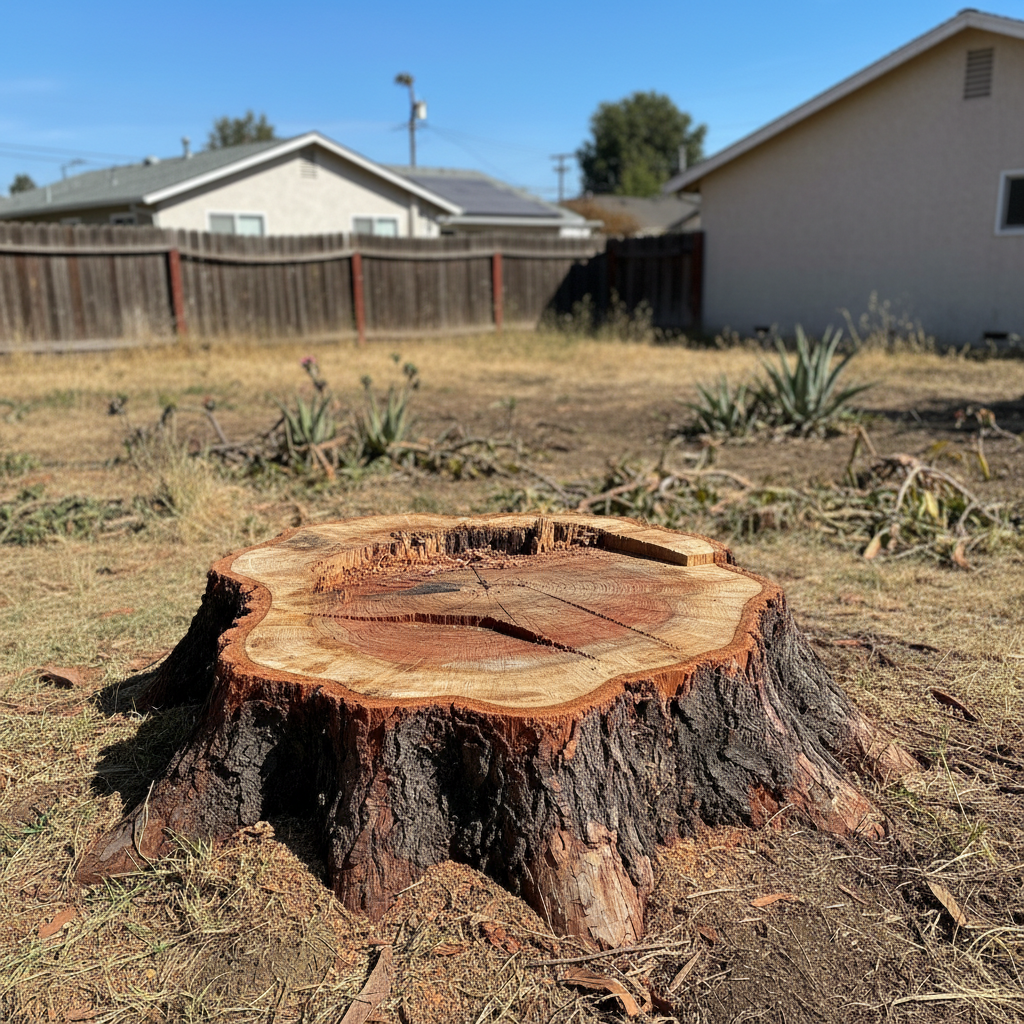
A big storm just blew through, or maybe you woke up to a cracking sound, and now you've got a tree that's looking like it's about to come down, or worse, it's already on your house. It's a scary situation, I know. When an emergency tree situation happens here in Lynwood, you need to act fast, but you also need to act smart. Let's talk about what you should do.
Before Disaster Strikes: Preparation is Key
You can't always predict an emergency, but you can definitely prepare for one. Think about it: we get some pretty strong Santa Ana winds here, especially in the fall. Those high winds are notorious for bringing down weak branches or entire trees.
- Know Your Trees: Walk around your property regularly. Look for dead branches, leaning trunks, or cracks in the bark. If you see mushrooms growing at the base, that's often a sign of root rot, which can seriously compromise a tree's stability.
- Keep an Eye on the Weather: If a big storm is coming, secure anything loose in your yard. If you have trees that are already looking a bit iffy, this is when you really need to be vigilant.
- Have a Pro's Number Handy: Don't wait until a tree is on your roof to start Googling. Have the number for a reputable local tree service, like Lynwood Tree Service, saved in your phone. You want someone who knows the area, has the right equipment, and is insured.
- Understand Your Insurance: Know what your homeowner's insurance policy covers regarding tree damage. Does it cover removal if a tree falls on your house? What about if it just falls in your yard and doesn't hit anything? It pays to know this ahead of time.
During the Emergency: Safety First, Always
Okay, the tree's down, or it's clearly about to be. What now? Your first priority is always safety. I can't stress this enough.
- Stay Away: If a tree has fallen, especially if it's on a structure or near power lines, keep everyone away from it. There could be hidden tension in the wood, causing it to shift unexpectedly, or live wires could be involved.
- Check for Power Lines: This is a huge one. If there are any power lines involved, even if they don't look damaged, assume they are live. Call Southern California Edison (SCE) immediately. Do not, under any circumstances, touch or go near a tree that's in contact with power lines.
- Assess the Damage (from a safe distance): Take photos of the scene. This will be crucial for your insurance claim. Note what's damaged, where the tree fell, and the general situation.
- Call the Professionals: For anything beyond a small, easily manageable branch that's not near anything important, you need to call a professional tree service. This isn't the time for a DIY project. Emergency tree removal involves heavy equipment, specialized skills, and significant risks. Trying to cut a large, fallen tree yourself, especially one under tension or on a structure, is incredibly dangerous. You could get seriously hurt, or cause more damage.
After the Emergency: The Cleanup and Repair
Once the immediate danger is handled by the pros, you'll be looking at the cleanup and getting things back to normal.
- Work with Your Tree Service: A good tree service will not only remove the fallen tree but also help you assess any other trees on your property that might have been weakened or damaged in the same incident. They can also advise on stump removal.
- File Your Insurance Claim: Use those photos you took. Contact your insurance company as soon as possible. They'll guide you through their process.
- Consider Future Prevention: After the dust settles, think about what you can do to prevent a similar situation. Maybe that means having other at-risk trees pruned or removed. Regular tree maintenance isn't just about aesthetics; it's a critical part of home safety, especially with our dry Lynwood summers and occasional heavy rains.
- Don't Forget the Debris: If the tree service doesn't haul away all the debris, you'll need to figure out how to dispose of it. Sometimes, you can cut smaller branches into manageable pieces for green waste bins, but for larger logs, you might need a separate pickup or a chipper.
Look, I've seen it all. Trees falling on cars, fences, even right through roofs. It's never a fun situation, but knowing what to do and when to call in the experts can make a world of difference. Don't take chances with a fallen tree; your safety and property are too important.